
Smartwatches and Wearables: What Your Health Data Really Means (Richmond, BC)
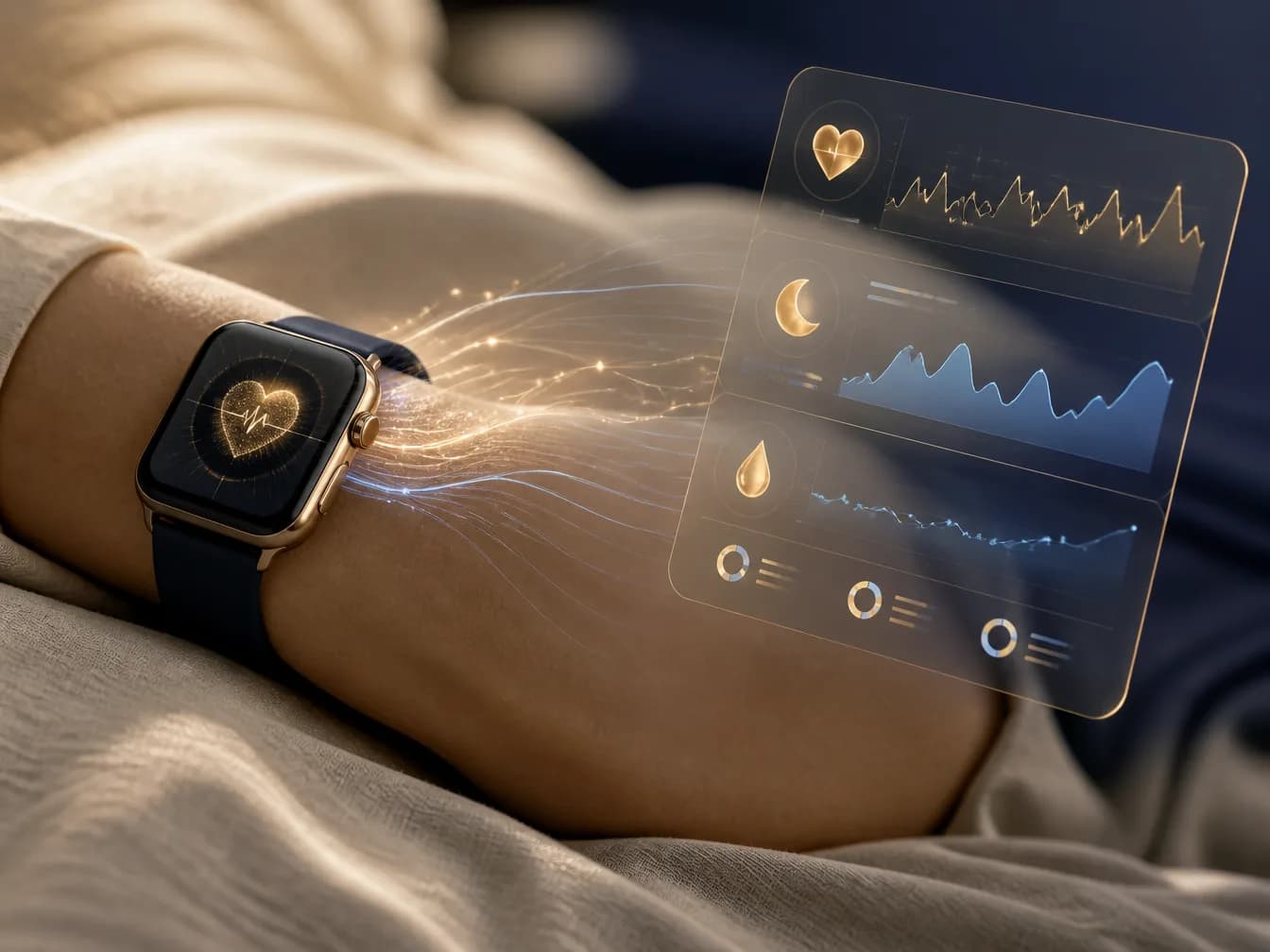
Smartwatches and fitness bands have moved from gadgets to everyday health companions. Many adults in Richmond and across Metro Vancouver now wake up to a sleep score, glance at their resting heart rate over coffee, and get a nudge when they have been sitting too long. That steady stream of numbers can be motivating. It can also be confusing, and sometimes worrying.
This guide explains what common wearable features actually measure, where their limits are, and how to turn your data into a useful conversation with your family doctor rather than a source of anxiety.
How Wearables "Sense" Your Body
Most wrist-worn devices rely on a few core technologies:
- Optical sensors (PPG): Small lights on the back of the watch shine into the skin, and a sensor picks up tiny changes as blood pulses through. This is how most devices estimate heart rate and blood oxygen.
- Motion sensors: Accelerometers and gyroscopes track movement. They power step counts, activity minutes and much of the sleep tracking.
- Electrical (ECG) sensors: Some watches let you record a single-lead electrocardiogram by touching a finger to the crown or bezel. This captures your heart rhythm for about half a minute.
- Skin temperature sensors: These follow changes from your personal baseline overnight, which some people use for cycle tracking or as a hint that they may be coming down with something.
Each of these is an estimate made by an algorithm. Fit, skin tone, tattoos, sweat, movement and even how tightly you wear the band can all affect the reading.
What the Main Features Can and Cannot Tell You
Heart rate and resting heart rate
Continuous heart rate is one of the more dependable wearable measurements at rest. A resting heart rate that stays fairly stable over months is generally a reassuring sign, and a lower resting rate is often associated with better cardiovascular fitness. A sudden, sustained rise can reflect poor sleep, stress, alcohol, dehydration, a new medication or an oncoming illness. Look at the trend over weeks, not a single reading.
Steps and calories
Step counts are a reasonable way to see whether you are moving more or less than usual. Calorie burn, however, is a rough estimate and should not be used to fine-tune a diet. Canadian physical activity guidance focuses on regular moderate-to-vigorous activity across the week and on breaking up long periods of sitting, so "active minutes" may tell you more than a step target.
Sleep tracking
Wearables are fairly good at estimating when you fell asleep, when you woke up and your total sleep time. Sleep stages (light, deep, REM) are much harder to measure from the wrist, and research comparing consumer devices with in-lab sleep studies suggests stage estimates are far less reliable. Use stage data as a loose trend, and pay more attention to how rested you actually feel.
ECG and irregular rhythm alerts
Some watches can flag a possibly irregular rhythm, such as atrial fibrillation. These features can be helpful for screening and for capturing what your heart was doing when you felt a flutter. But they are not a diagnosis. An alert means "talk to a doctor," not "start treatment." And a normal watch ECG does not rule out heart problems; it records only one lead, for a short time.
Blood oxygen (SpO2)
Wrist-based blood oxygen readings are generally less accurate than a clinical fingertip oximeter, especially during movement, with a loose fit, or on darker skin. For healthy adults, a single low number at night is usually not meaningful on its own. Repeated low readings, or any reading paired with shortness of breath, deserve proper medical attention.
Common Pitfalls: Over-Reading the Data
Wearables are designed to engage you, and that can backfire:
- Health anxiety: Checking every fluctuation can lead to worry, repeated testing and poor sleep, ironically making the numbers worse.
- False reassurance: A "good" score does not mean everything is fine. Symptoms always matter more than an app.
- The reward trap: Hitting a daily goal can make it tempting to sit more or eat more afterwards.
- Privacy: Health data is sensitive. Review your device and app privacy settings, and be selective about which third-party apps you connect.
If you have chest pain, fainting, sudden shortness of breath, or signs of a stroke, do not wait for your watch to confirm anything. Call 9-1-1.
How to Bring Your Wearable Data to Your Doctor
Your data is most useful when it adds context to a clinical visit. A few practical tips:
- Bring summaries, not raw dumps. A screenshot of your resting heart rate trend over three months is more helpful than hundreds of individual readings.
- Note what you felt. If your watch flagged an irregular rhythm, jot down the date, time and any symptoms (palpitations, dizziness, breathlessness).
- Mention context. New medications, travel, illness, alcohol or a change in training can all explain shifts in your numbers.
- Ask what to track. Your doctor can tell you which measurements are worth watching for your situation, and which you can safely ignore.
- Expect proper testing when needed. A clinic ECG, blood work, or a formal sleep assessment may be recommended to confirm or rule out what a wearable suggests.
This is where an ongoing relationship with a family physician really helps. A doctor who knows your history can tell the difference between a meaningful change and normal variation. For people who want more structured follow-up, the MMC membership program adds care coordination on top of MSP-covered family care, and a comprehensive health exam can provide a clinical baseline to compare your wearable trends against.
Using Wearables Wisely
- Choose a device based on what you actually want to track.
- Focus on long-term trends over single values.
- Trust how you feel; when data and symptoms disagree, listen to your body and seek care.
- Never change medication or treatment based on device readings alone.
- Keep notifications to the ones that help, such as reminders to stand or move.
Used thoughtfully, a wearable can encourage healthier habits and give your care team useful context. It works best as a partner to clinical care, not a replacement for it.
Book a Consultation
If your watch has flagged something you are unsure about, or you would like help making sense of your health data, a visit at our Richmond clinic, which offers services in English, Mandarin and Cantonese, is a good place to discuss it. Call 604-629-8968 to book, or visit our contact page to learn more about the membership program.