
PC Membrane Therapy

Repairing the membrane phospholipid scaffold.
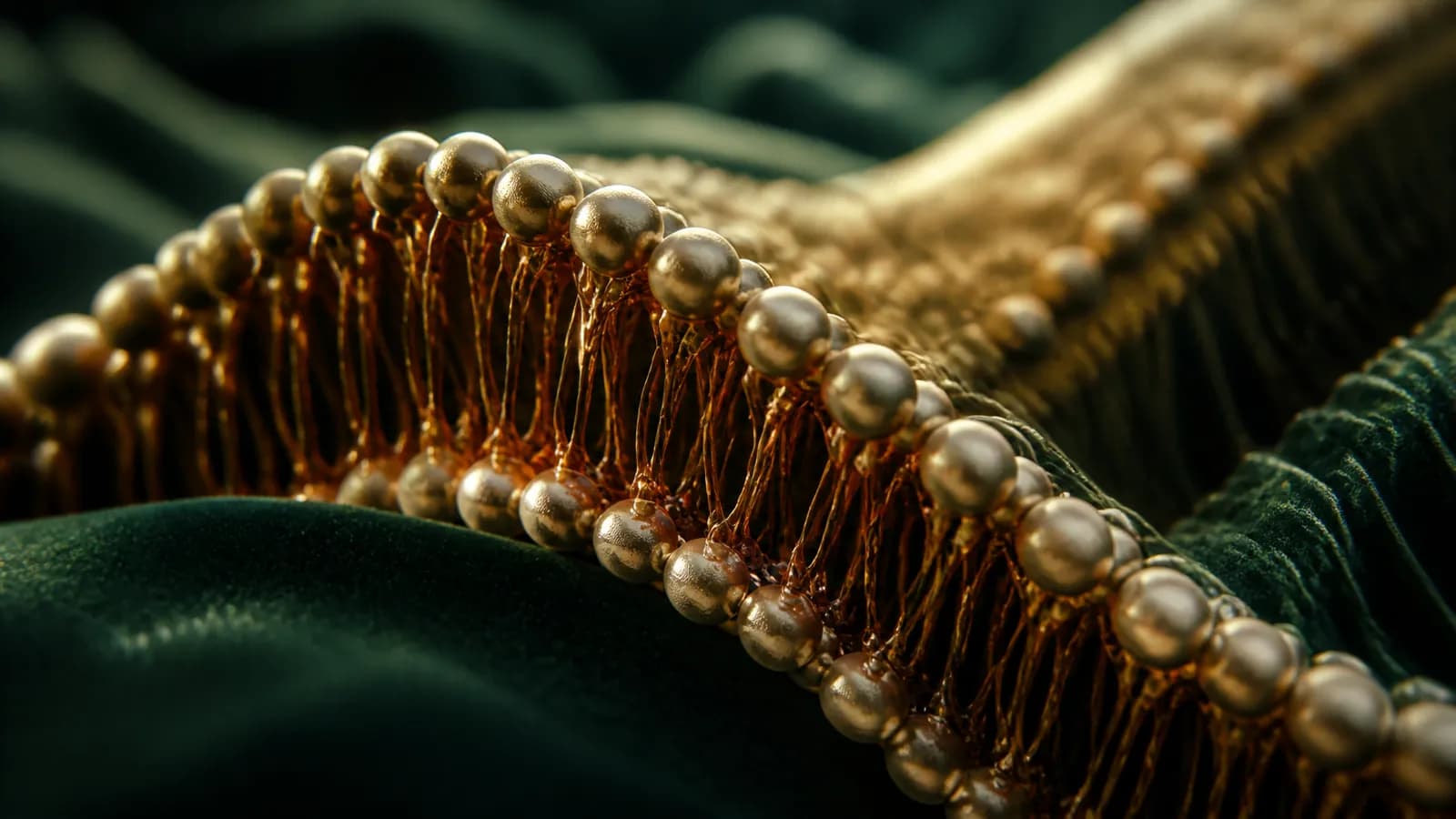
Every human cell is bounded by a phospholipid bilayer — a fluid mosaic of fats, proteins, and signaling receptors that determines what enters the cell, what leaves, and how the cell responds to its environment. Phosphatidylcholine (PC) is the dominant phospholipid in that bilayer. With age, oxidative stress, chronic inflammation, and high cardiovascular load, the proportion of healthy PC declines while the proportion of oxidized or saturated lipid species rises. The result is reduced membrane fluidity, impaired receptor signaling, and a slow decline in cellular communication that contributes to age-related vascular stiffness, hepatic steatosis, and neurological wear. PC Membrane Therapy aims to replenish that scaffolding with medical-grade phosphatidylcholine delivered intravenously. Research explores applications in atherosclerosis regression, fatty-liver remodelling, and neurological support — the European Plaquex protocol has the longest clinical history; newer studies extend the work to age-related metabolic decline.

Customization plus continuous monitoring.
What distinguishes the MMC protocol from a generic Plaquex IV menu item is two things: customization of dose and cadence to your specific lab trajectory, and continuous multidisciplinary monitoring. On top of the standard Plaquex IV (phosphatidylcholine 250-500 mg per infusion as the entry tier), the protocol layers in quarterly lab tracking covering lipid metabolism (LDL particle number, ApoB, oxidized LDL), liver function (ALT, AST, GGT, hepatic steatosis index, FibroScan when indicated), kidney function, and inflammation (hs-CRP, IL-6, fibrinogen). Functional reviews integrate these markers alongside symptom diary and wearable data into an annual trajectory dashboard. Cardiovascular, hepatic, and neurological partner-clinic colleagues review cases where indications cross domains. The detail of the full protocol is being refined by Dr. Jiang's team and will publish to members as the clinical pathway matures.

From entry tier through coordinated annual plan.
Most members enter PC Membrane Therapy through the basic Plaquex IV tier — a 60-90 minute infusion, often as part of a broader IV nutrient cycle. After 2-3 sessions and a quarterly lab review, candidates appropriate for the extended protocol are identified based on lipid trajectory, hepatic findings, and overall metabolic profile. Extended protocol is more intensive: a defined loading phase (typically 8-12 sessions over 3-4 months), maintenance at a personalized cadence (monthly or bi-monthly), and full multidisciplinary review at the 6-month and 12-month marks. Members who do not progress to the extended protocol simply continue at the entry tier as part of their broader IV nutrient cycle. The decision to advance is medical, not commercial — we will not extend a protocol that the labs and clinical picture do not support.
- 01
Entry Path
Begin at the basic tier through Immune No.2 / Plaquex IV — 60-90 min phosphatidylcholine infusion.
- 02
Customized Protocol
Dosing and cadence personalized from quarterly labs, symptom diary, and goals.
- 03
Continuous Monitoring
Quarterly lipid metabolism, ApoB, hepatic, kidney, and inflammation markers.
- 04
Multidisciplinary Review
Cardiovascular, hepatic, and neurological collaboration across partner clinics.
- 05
AI Dashboard Integration
Wearable data, lab values, and symptom diary surfaced as an annual trajectory.
- 06
Loading + Maintenance
Extended protocol: 8-12 session loading phase followed by personalized maintenance cadence.
- 07
Six- and Twelve-Month Reviews
Major multidisciplinary review at 6 months and 12 months; protocol adjusted on findings.
- 08
Research Boundary
Research direction; outcomes are not guaranteed and protocol is under active refinement.
Frequently Asked
How is this different from regular Plaquex IV?
Standard Plaquex IV is a single phosphatidylcholine infusion — useful in isolation but not coordinated with a longer-term clinical plan. PC Membrane Therapy at MMC adds customization of dose and cadence, structured quarterly monitoring (lipid, hepatic, inflammation), multidisciplinary review, and an extended loading-plus-maintenance protocol for members who indicate.
Who is this for?
Members with age-related cardiovascular or metabolic concerns — rising ApoB, oxidized LDL, hepatic steatosis on imaging, elevated inflammation markers — who have completed a full longevity-assessment cycle and want a coordinated regenerative direction. We do not advance the extended protocol without lab support.
Is there clinical evidence?
European Plaquex / phosphatidylcholine research has the longest clinical history, primarily in cardiovascular and hepatic indications. Newer applications in age-related metabolic decline are research-stage. We will explain what the evidence supports and what remains exploratory during the consultation.
Is this covered by insurance?
Not covered. PC Membrane Therapy is an elective regenerative wellness service. Itemized physician receipts are provided for extended-health benefit submission and the CRA Medical Expense Tax Credit.